


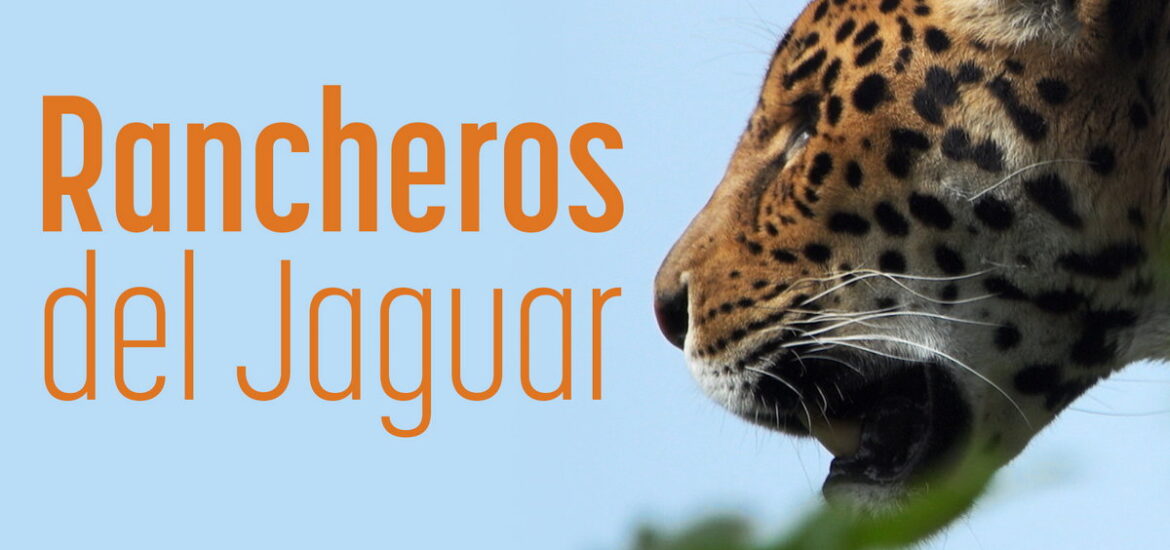
A Life with predators
A Rural Short Film Rooted in Landscape and Lore
The 2017 short film Rancheros del Jaguar presents a grounded portrait of life in a remote ranching community where tradition, fear, and nature collide. Rather than leaning on spectacle, the film builds its atmosphere through quiet rhythms and the constant, haunting idea that a jaguar may be watching from the shadows. The story unfolds slowly, allowing the audience to settle into the landscape and the routines that define the villagers’ lives.
Life at the Edge of the Wilderness
At the center of the short is a young ranch hand who has spent his life helping his family maintain their land. He has heard warnings about jaguars since childhood. These warnings shape his understanding of the world. When several new sightings unsettle the area, old fears resurface quickly. Many in the community want to protect their cattle and reinforce the barriers that separate them from the wild. The young ranchero, however, starts to question whether fear should be the only guiding force.
The film uses this conflict to explore how communities respond to uncertainty. It also highlights the tensions that arise when traditional practices are challenged by younger generations.
A Symbol Wrapped in Silence
The jaguar serves two functions in the story. First, it is a real animal that threatens the ranchers’ livelihood. Second, it becomes a symbol of deeper anxieties and long-held beliefs. The film rarely shows the animal directly. Instead, it uses sound, tracks in the dirt, and characters’ reactions to build a sense of presence. This restrained approach keeps the film grounded and encourages viewers to consider what the jaguar represents to each character.
The young ranchero’s changing perspective becomes the emotional anchor. His internal struggle reflects a broader cultural shift within the village.
Visual Storytelling as Emotional Language
Cinematography is one of the film’s defining strengths. Wide shots capture vast, open landscapes that suggest both freedom and vulnerability. Close-up moments focus on the characters’ quiet expressions, emphasizing how much is left unsaid. Natural lighting gives the film an earthy, authentic quality. These choices create a world that feels lived-in and real.
Silence also plays a major role. The absence of constant dialogue allows the audience to absorb the environment. It also mirrors the unspoken tensions that shape life in isolated communities.
Themes of Fear, Legacy, and Change
At its heart, Rancheros del Jaguar examines how fear is taught, inherited, and reinforced. The older ranchers have built their worldview around protecting their land from predators. The younger generation sees opportunities for coexistence. This divide fuels the narrative’s quiet tension.
The film avoids simplifying the conflict. It does not portray the villagers as villains. Instead, it shows how tradition can feel necessary for survival. It also shows how change can feel dangerous, even when it leads to growth.
A Short With Lasting Impact
Though modest in scale, Rancheros del Jaguar resonates because of its emotional honesty and respect for its setting. It captures a community caught between old fears and new possibilities. It also invites viewers to think about how people interact with the natural world, and how myth can shape behavior.
The short stands as a reflective, visually textured piece of filmmaking. Its subtle storytelling encourages reflection and rewards patience. It is a film that values atmosphere over action, meaning over spectacle, and humanity over simple conflict.