









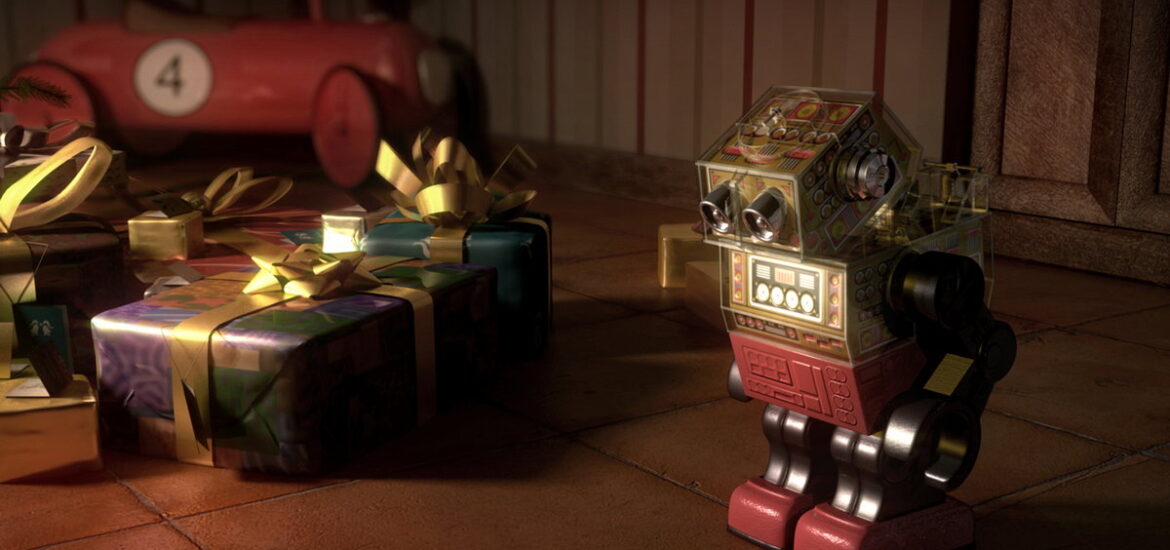
The Elf and the Robot (2015): A Futuristic Holiday Tale With Heart and Humor
The Elf and the Robot is a 2015 short film that brings a fresh, inventive spark to holiday storytelling. It combines classic Christmas charm with a light sci-fi sensibility, and the result is a warm, funny, and thoughtful look at connection in a world where tradition and technology collide. Although brief in length, the film delivers strong character work, visual creativity, and a message that resonates far beyond its whimsical setting.
Where Christmas Magic Meets Mechanical Logic
The story introduces viewers to a cheerful elf who lives and works in a festive environment powered by holiday spirit. His job is simple in theory: help spread joy. In practice, he brings emotion, warmth, and magic to everything he does. That magic is challenged when he meets a robot designed for maximum efficiency and zero sentiment.
Their meeting is the spark for the film’s playful conflict. The elf tries to share traditions that rely on feeling and imagination. The robot responds with calculations and literal interpretations. Their mismatch produces humor, but it also sets the stage for deeper reflection.
A Clash of Personalities That Turns Into Collaboration
As the film unfolds, the elf attempts to teach the robot the meaning of holiday cheer. His efforts include simple demonstrations—hanging decorations, sharing stories, and showing how small gestures can create wonder. Each moment challenges the robot’s programming. The robot, in turn, unintentionally teaches the elf to appreciate different ways of thinking.
This mutual learning is what gives the short its emotional momentum. The contrasting characters allow the film to explore empathy, curiosity, and the willingness to adapt. These themes are delivered without heaviness. The tone remains light and inviting.
Visual Style That Blends Fantasy and Futurism
The film’s design is another one of its strengths. The elf’s world glows with warm colors, soft textures, and cozy details that evoke traditional holiday imagery. The robot’s aesthetic contrasts sharply with clean lines, metallic tones, and mechanical movements.
This visual interplay mirrors the characters’ emotional journey. As the story progresses, the two styles begin to overlap. Decorations appear on the robot’s workspace. The elf starts using small tools that the robot suggests. These subtle visual cues reinforce the story’s message: connection transforms environments as much as it transforms people.
Humor Rooted in Character, Not Gags
Much of the film’s comedy comes from the elf’s attempts to decode the robot’s literal thinking. The robot takes expressions at face value, responds with unexpected precision, and struggles with gestures meant to feel spontaneous. The elf reacts with exasperation and patience in equal measure.
This interaction produces gentle, character-driven humor that feels accessible to viewers of all ages. The film avoids parody and instead focuses on authentic personality clashes that lead to growth.
A Final Message That Feels True to the Holiday Spirit
By the end of the story, the robot begins to understand the value of emotion, even if it can’t fully replicate it. The elf learns that connection doesn’t always look one way. Together, they represent two sides of a modern world—tradition and innovation—that can coexist with surprising harmony.
The Elf and the Robot uses its short runtime wisely. It doesn’t try to oversell its themes or overextend its world. Instead, it chooses sincerity, charm, and a quiet belief that kindness can bridge any divide.
The result is a holiday short that feels timeless, even as it imagines a future where elves and robots work side by side.