


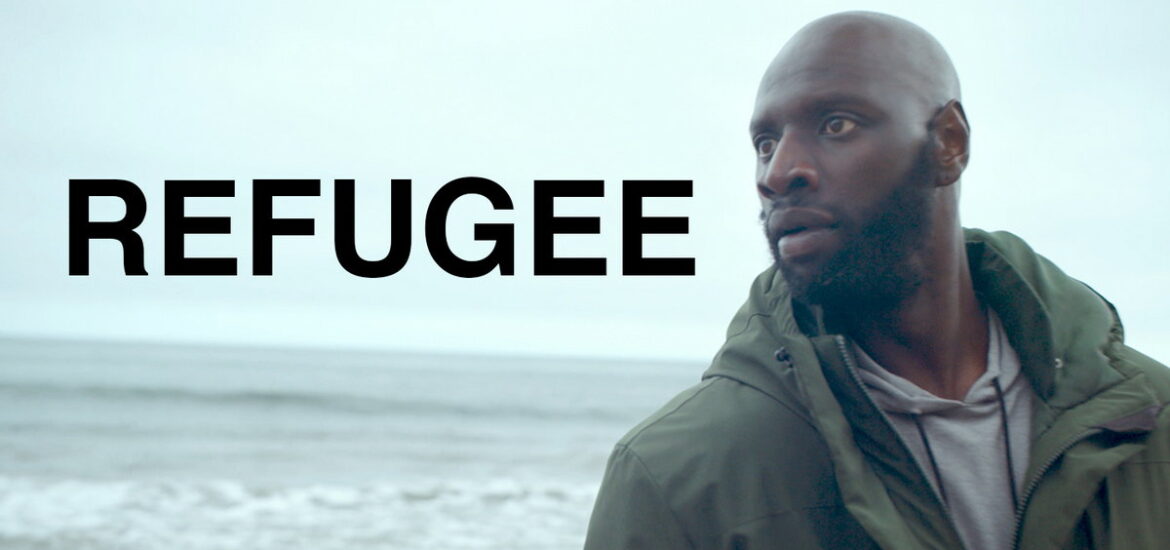
Refugee – short drama about human crisis
The 2019 drama short Refugee, shortlisted for an Academy Award, stands out as one of the most human portrayals of forced displacement in recent cinema. While many films approach the topic through political framing or large-scale imagery, Refugee chooses an intimate path. It follows one family during a single, life-altering escape, offering viewers a clear and emotional look at what it means to leave home under threat.
A Story Told Through Urgency and Stillness
The film begins not with action, but with atmosphere. The home is quiet, yet the silence feels unstable. The family moves through their rooms as if memorizing them. This early sequence anchors the story in ordinary life, showing what is at stake when that life is suddenly threatened. The decision to flee happens quickly, but the emotional weight of that choice lingers throughout the film.
When the escape begins, the camera becomes restless. It stays close to the characters, allowing the audience to feel the tension of every step. This technique brings the viewer into the moment without overwhelming the narrative.
Emotion Over Spectacle
One of the film’s strengths is its focus on small human details. A mother’s hand trembles as she packs. A child clings to a worn backpack. A father tries to appear strong even when fear shows through his eyes. These moments feel honest and vulnerable.
The film avoids dramatizing violence. Instead, it emphasizes the psychological impact of its threat. This approach makes the experience more personal and more painful. The family’s fear becomes relatable because it is shown through behavior rather than spectacle.
A Look at Displacement Without Abstraction
Millions of people across the world face displacement, but their stories often become numbers in reports or headlines. Refugee rejects that distance. The film refuses to generalize the crisis. By focusing on one family, it restores individuality and underscores how every refugee story is unique.
The danger is not shown in graphic detail. It is present in the urgency of the family’s movements, the glances exchanged during moments of doubt, and the hesitation that comes with each new decision. This technique shifts the conversation from “What is happening in that region?” to “What would I do if I were them?”
Performances That Feel Lived-In
The actors deliver quiet, disciplined performances. None of them overplay the moments of fear or grief. Their restraint gives the film a realism that is often missing in short dramas focused on crisis. The chemistry within the family feels natural. Their interactions—brief looks, rushed words, moments of silent comfort—suggest a deep, lived connection that makes their journey even more affecting.
Crafting a Narrative That Feels Real
The direction, cinematography, and sound design work together to create a sense of immersion. The camera often feels handheld but controlled. Natural light dominates the visuals, reflecting the uncertainty of a journey without a clear destination. Sound is used sparingly, allowing quiet to become part of the tension. When noise breaks through—a distant blast, a sudden shout—it lands with impact.
The pacing is deliberate. The filmmakers give space for fear to build, but they also give space for hope. Small scenes of tenderness, even in the midst of danger, prevent the film from becoming bleak. These moments remind viewers that love and resilience survive even in crisis.
A Short Film With a Lasting Echo
Refugee may be a short film, but it delivers a full emotional arc. Its Oscar shortlist recognition underscores its relevance and its craft. More importantly, it opens a window into a reality faced by millions and does so with compassion, honesty, and artistic restraint.
The film lingers because it invites viewers to see displacement not as an issue, but as a human experience. That is its greatest achievement.