









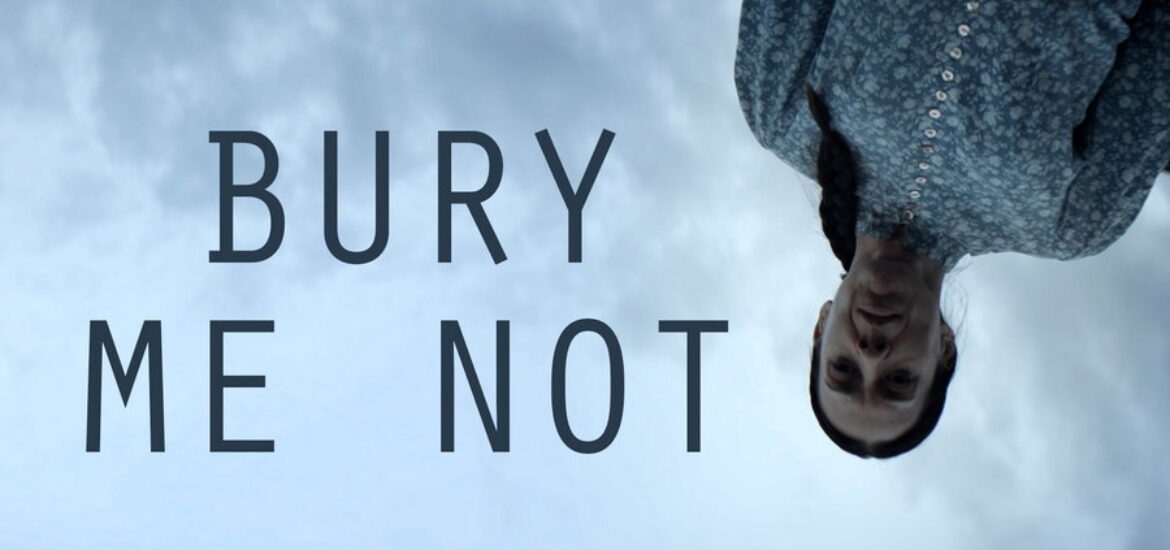
“Bury Me Not” Reimagines the Western Through Family
The short film “Bury Me Not” stands out as a bold and quietly subversive entry in the western genre. Running just twelve minutes, the film manages to explore themes rarely confronted in traditional frontier stories, delivering a slow-burning drama that lingers long after its final scene.
A Sheriff, a Family, and a Dangerous Truth
The story centers on a sheriff tasked with investigating the death of a ranch owner—his own brother. What should be a straightforward inquiry quickly becomes charged with tension as the sheriff enters a household bracing for confrontation. Inside, two sisters and a young boy stand guard over their home, bound together by loyalty and fear.
The stakes rise as it becomes clear that the investigation involves more than a simple death. A Black infant is being hidden in the house, and references to a missing Black laborer point toward racial violence and systemic injustice lurking beneath the surface of frontier life. Every glance and pause carries weight, transforming the domestic space into a moral pressure cooker.
Expanding the Western Genre
As several IMDb reviewers have noted, “Bury Me Not” ventures into narrative territory rarely explored in westerns. Rather than romanticizing the frontier, the film exposes its uglier realities—interracial tension, misogyny, and the cost of survival for those without power.
One reviewer praised the film for addressing aspects of frontier life they had “never seen tackled in the genre,” while another highlighted how much thematic depth is packed into its brief runtime. From the love of self to the possibility of redemption, the film moves carefully but decisively toward its conclusion.
Performances and Craft
The film’s impact owes much to its performances, particularly its strong female characters. The sisters are neither passive nor ornamental; they are resolute, intelligent, and prepared to act if necessary. Their quiet ferocity anchors the film emotionally.
Visually, “Bury Me Not” is understated but elegant. The cinematography favors natural light and composed frames that emphasize isolation and tension. Combined with a restrained musical score, the film sustains an atmosphere of unease without resorting to overt dramatics.
A Powerful Final Turn
What ultimately elevates “Bury Me Not” is its conclusion. Without revealing spoilers, the film’s final moments offer a surprising emotional turn—one that reframes everything that came before it. The resolution feels earned, thoughtful, and morally complex, resisting easy answers.
Conclusion
In just twelve minutes, “Bury Me Not” proves how expansive the western genre can be when filmmakers are willing to challenge its conventions. With strong performances, beautiful cinematography, and a story rooted in moral reckoning rather than myth, the film delivers a powerful, modern take on frontier justice. It is a short film to seek out—and one that reminds us how much can still be said within the language of the western.