






Samovar (2022): A Poetic Reckoning with Memory, Loss, and Courage
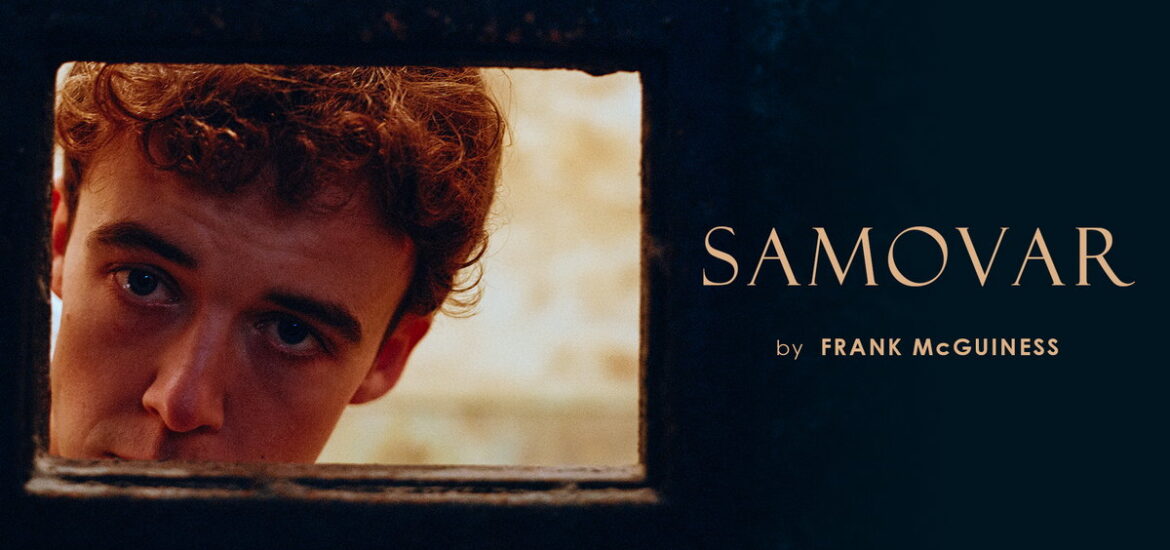
The 2022 short film Samovar brings a quiet yet deeply wrenching vision of what might have befallen one of history’s most iconic rescuers — Raoul Wallenberg — after he vanished into the Soviet prison system. Under the direction of British filmmaker Lia Williams, with a script by celebrated playwright Frank McGuinness, the film refrains from sensationalism. Instead, it chooses silence, memory and the bare humanity of suffering to reflect on heroism, loss, and the enduring need for compassion.
A Lens on the Unspoken
Rather than attempt a full biographical retelling, Samovar embraces ambiguity. It imagines a hypothetical survival — a poetic “what if” that draws us into the cramped, cold walls of a Soviet prison. Inside, two nameless prisoners exchange whispered stories — tales of vanished families, stolen youth, unfulfilled love, unspoken regrets. Through their fragile bond, the film evokes the echo of lives torn apart, and the ghosts of countless others with nowhere to go.
This stripped-down approach is its strength. Freed from the structure of traditional historical dramas, Samovar becomes a meditation on the inner world of those broken by injustice — but still clinging to hope. Moments of tenderness, of humanity — a shared cigarette, a gentle look, a trembling memory — become profoundly meaningful. The film doesn’t offer redemption or closure. It offers remembrance.
Memory, Trauma, Empathy
With a runtime of roughly 14–15 minutes, Samovar doesn’t strive for comprehensiveness. Its brevity, however, lends intensity. Each frame pulses with unspoken anguish; every silence echoes loss. The film is less about what happened to Wallenberg than about what happens when history erases a person — lives left in limbo, stories unsaid. For a viewer, it becomes a test of empathy: to sit with discomfort, to hold grief, to honor memory.
Moreover, by centering anonymous prisoners instead of historical luminaries, Samovar universalizes suffering. Its characters could be anyone — refugees, dissidents, the forgotten. In doing so, the film subtly draws parallels to modern struggles against oppression, forced disappearances, and systems that crush dignity under bureaucracy and cruelty.
Artistic Choices That Resonate
Lia Williams’ direction is delicate and restrained: no melodrama, no grand speeches, no easy catharsis. The cinematography works in shadows, dim corners, half-lit faces — capturing the claustrophobia and despair of prison nights. Sound design and pacing emphasize silence, breathing, barely audible whispers. The result is cinematic minimalism at its most powerful.
That minimalism invites a different kind of viewing — slower, reflective, almost reverent. You don’t watch; you sit with it. You listen. You feel.
Why Samovar Matters Today
In a world where injustices — old and new — still leave people invisible, forgotten, silenced, Samovar feels urgently relevant. It reminds us that behind every statistic is a human life. It asks us not just to remember — but to acknowledge. To mourn. To empathize. And to resist forgetting.
For audiences and curators alike, Samovar offers a space for quiet contemplation — a short film, yes, but one whose emotional and moral weight feels far larger than its running time. It’s a tribute not just to Wallenberg, but to every vanished life, every erased name, every story that — if told — demands to be heard.
Samovar doesn’t provide answers. It doesn’t pretend to. But it offers something perhaps more vital: recognition. In the darkness, memory becomes a form of resistance. Compassion becomes a defiance. And humanity… humanity becomes something we must fight to keep alive.